


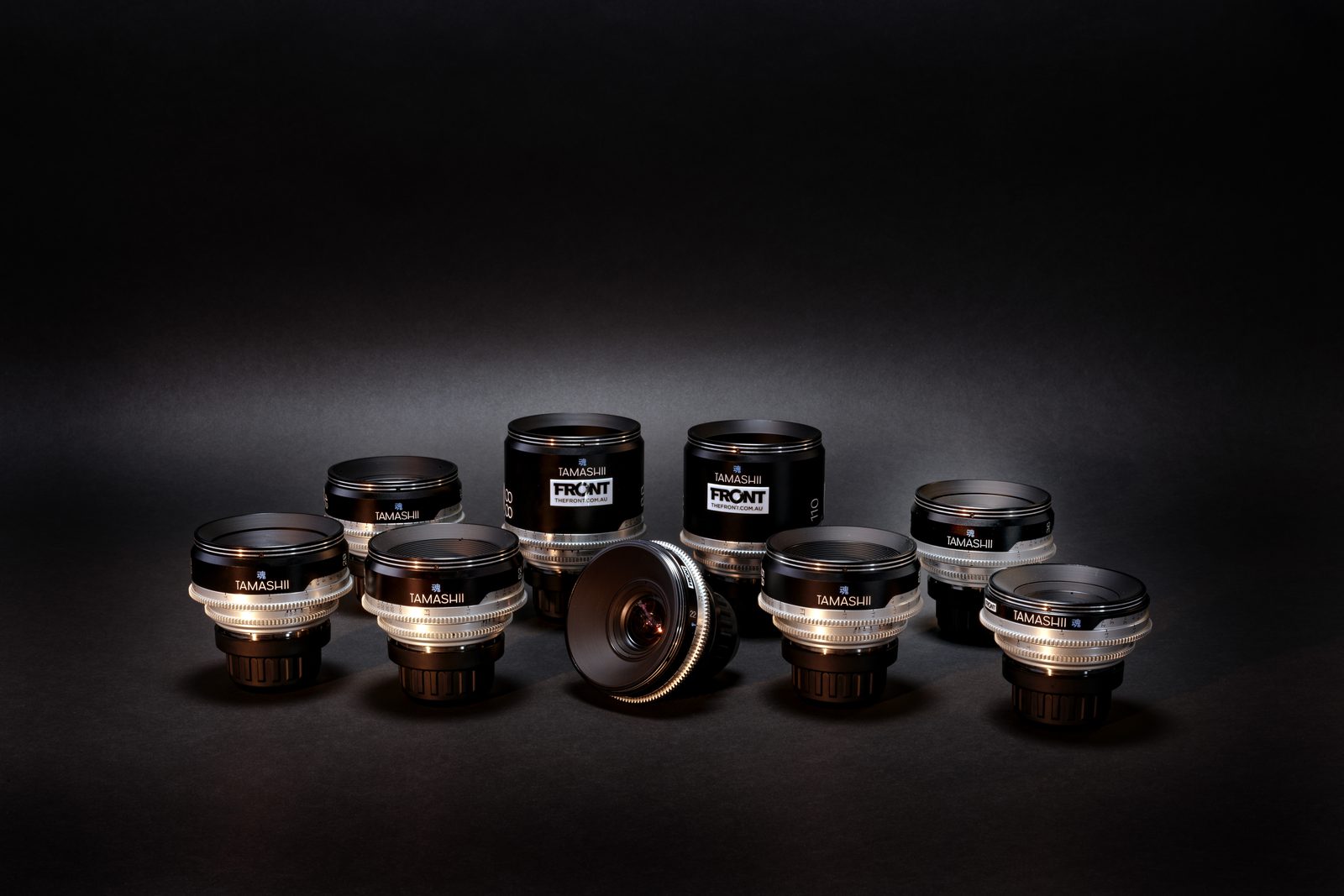
Vintage Prime
Ancient Optics / Zero Optik
Tamashii Primes
The “Greatest Hits” of Japanese Optics
- Focal
- 22–110mm
- T-stop
- T1.5–T2.3
- Mount
- PL
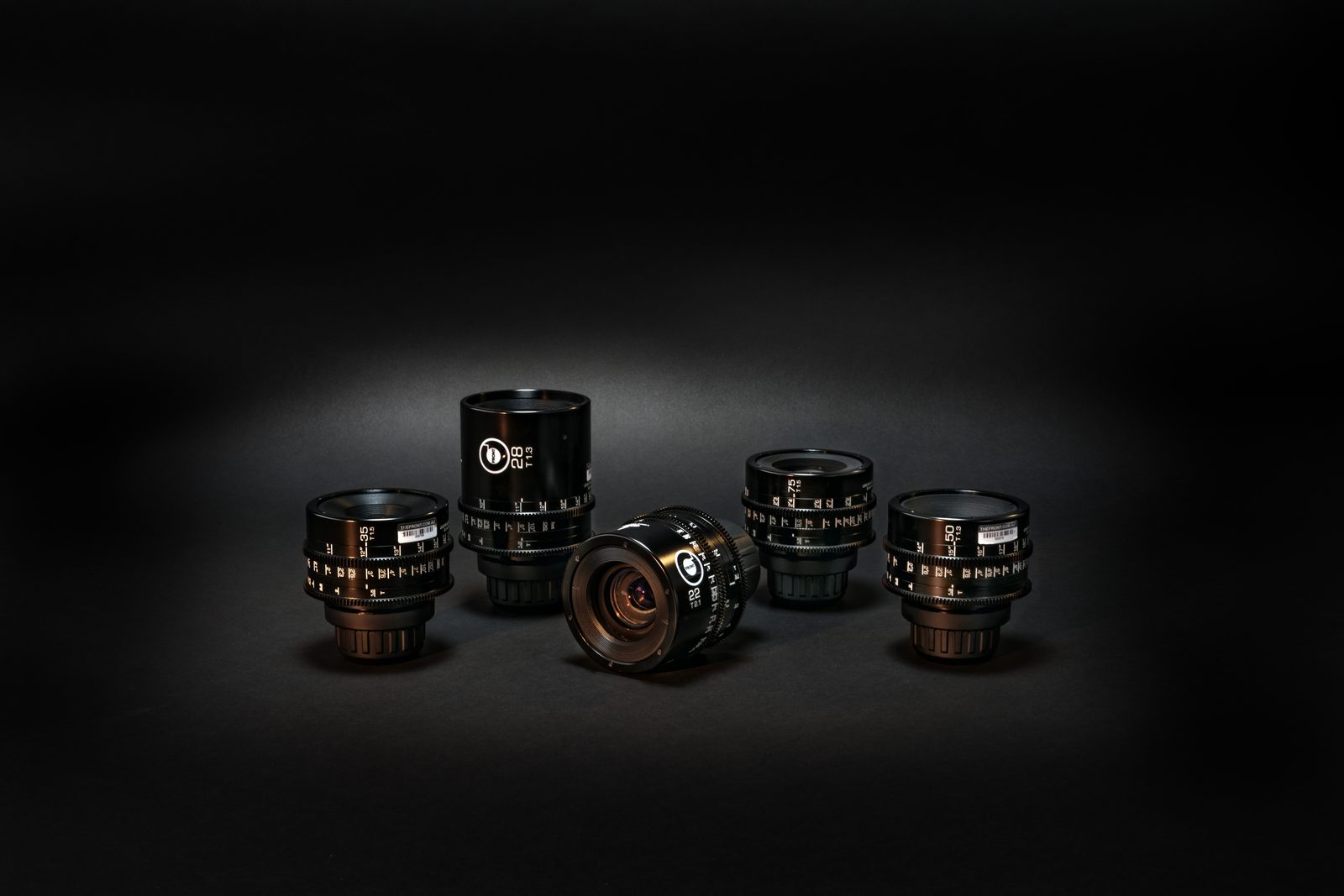
G.L. Optics Mk V Rehoused
5 primes 22 – 75mm T1.3 – T2.1 PL
Purpose-built Soviet cinema lenses from the 1980s, not rehoused stills glass.
Wide open they’re captivatingly soft with low contrast, gentle highlight bloom, and swirly bokeh: classic Russian cinema. Stop down to T2 and sharpness and contrast peak. Flares are unique: bold, colourful veiling and streaking, controlled or embraced. Virtually no focus breathing on wide and middle focals. The multi-blade irises shift bokeh from circular to dramatic flower-petal by stop, a signature no modern 9-blade glass replicates.
Character profile
Flower-petal bokeh. No breathing.
Five axes plotting how this set behaves wide-open vs a neutral modern reference. Larger area = more pronounced trait.
Focal lengths
| Focal | T-Stop | Close focus | Weight | Front Ø |
|---|---|---|---|---|
| 22mm | T2.1 | 8″ | 1.3kg | 95mm |
| 28mm | T1.3 | 9″ | 1.5kg | 95mm |
| 35mm | T1.5 | 11″ | 1.0kg | 95mm |
| 50mm | T1.3 | 14″ | 1.0kg | 95mm |
| 75mm | T1.5 | 2′3″ | 1.0kg | 95mm |
Talking points
True Soviet cinema glass: purpose-built for movie cameras, not adapted still lenses.
The highest-performing optics Russia produced in the 1980s
Unique multi-blade iris shifts bokeh from circular to flower-petal by T-stop: no modern lens matches it
Focus breathing virtually non-existent on wide and mid focal lengths.
Smooth, invisible rack focuses
GL Optics Mk V rehousing dramatically improves close focus while adding 330° throw, matched fronts, and cinema-standard gearing
Pair with Canon K-35 zooms or the Phénix zoom for complementary vintage zoom coverage
Technical
Some figures here are marked *. Our sources disagree on those, so we're checking them against the lenses themselves. Ask us and we'll measure it for you.
Heritage
Origin
Built by LOMO (Leningrad Optical-Mechanical Association), the premier Soviet optics manufacturer, throughout the 1980s as OKC-designated cinema primes. These were the workhorses of Soviet and Eastern European film production, used on countless features across the USSR. Rediscovered in the 2010s by Western cinematographers drawn to their expressive imperfections: edge softness, dramatic flare, and warm aberrations became assets in a world of pixel-perfect digital imaging. G.L. Optics (Hong Kong/Shenzhen) rehousings turn fragile Soviet barrels into modern, reliable cine lenses without touching the glass. The Mk V generation adds matched 95mm fronts and improved close focus while preserving every optical characteristic.
More to explore
Ancient Optics / Zero Optik
The “Greatest Hits” of Japanese Optics
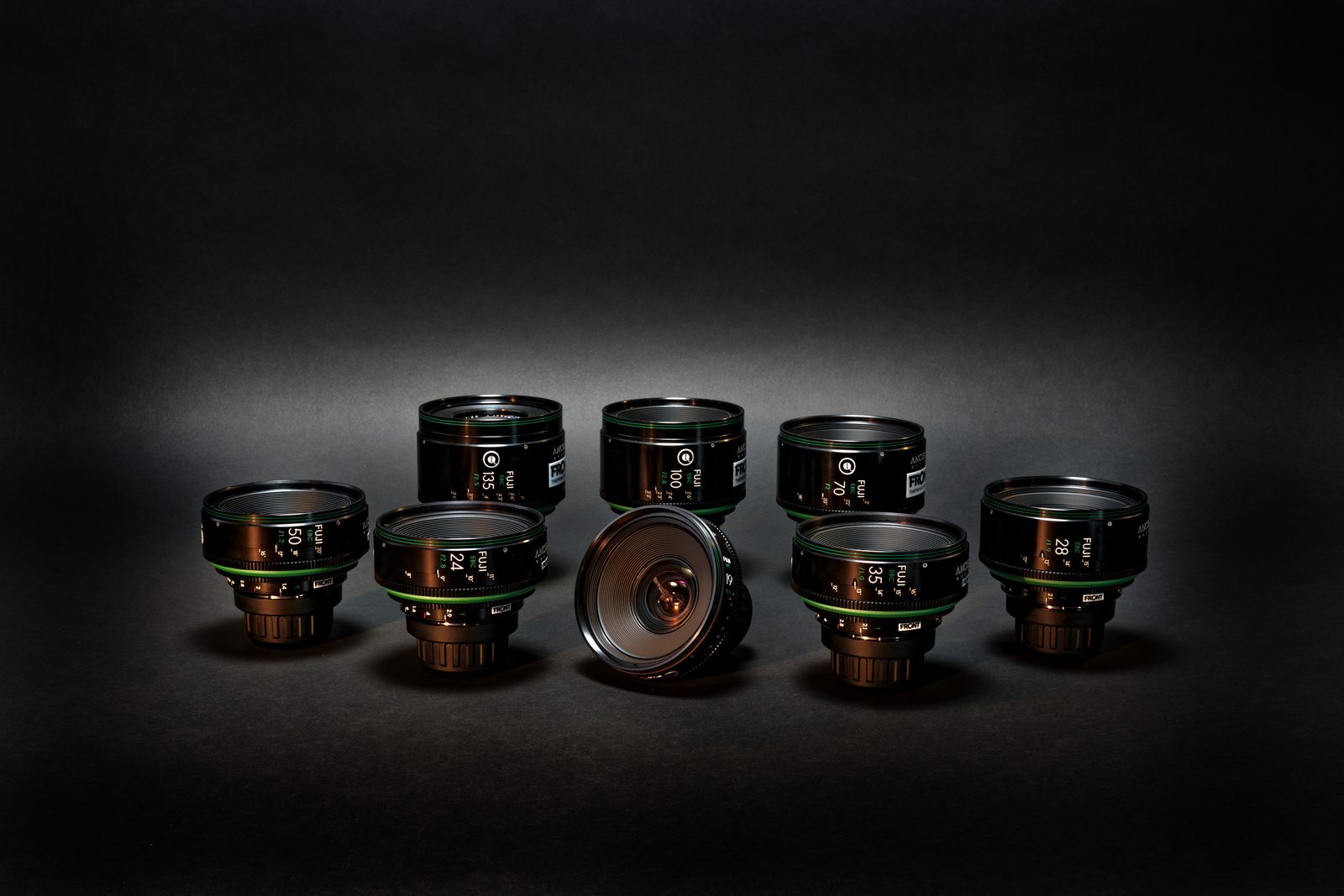
TLS Rehoused
A Treasure of Coating Technology
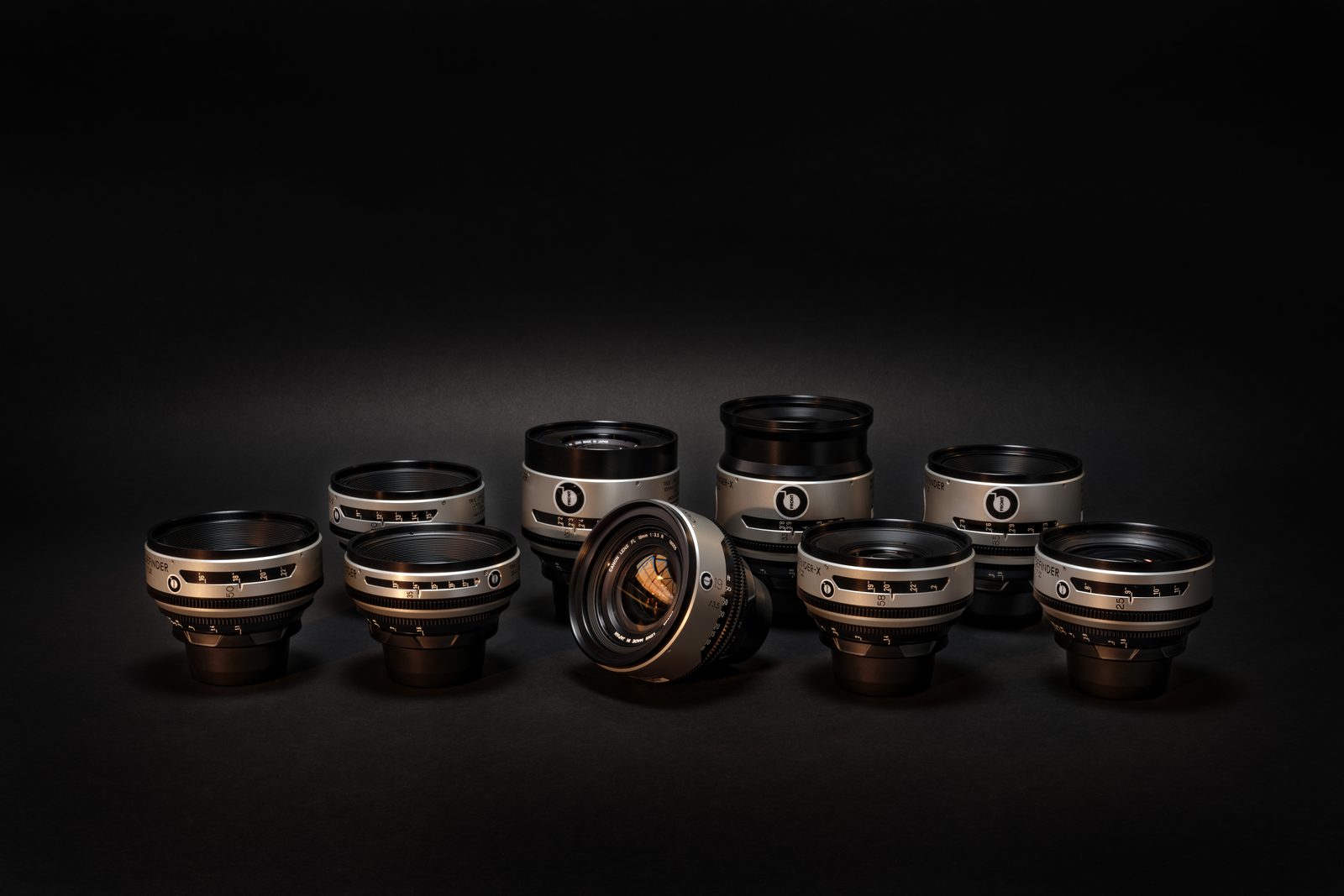
TLS Rehoused
The Dream Lens Legacy