
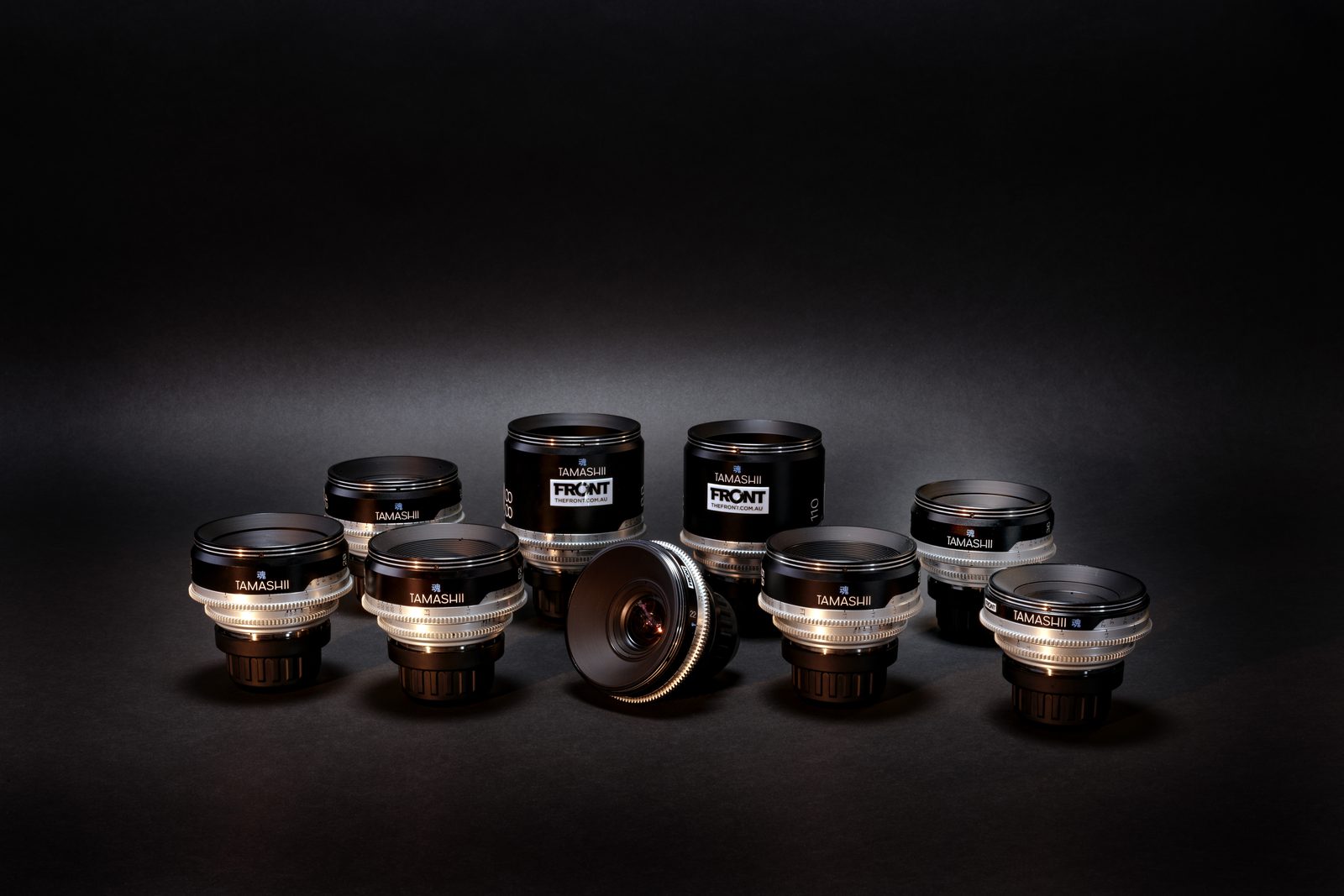
Vintage Prime
Ancient Optics / Zero Optik
Tamashii Primes
The “Greatest Hits” of Japanese Optics
- Focal
- 22–110mm
- T-stop
- T1.5–T2.3
- Mount
- PL
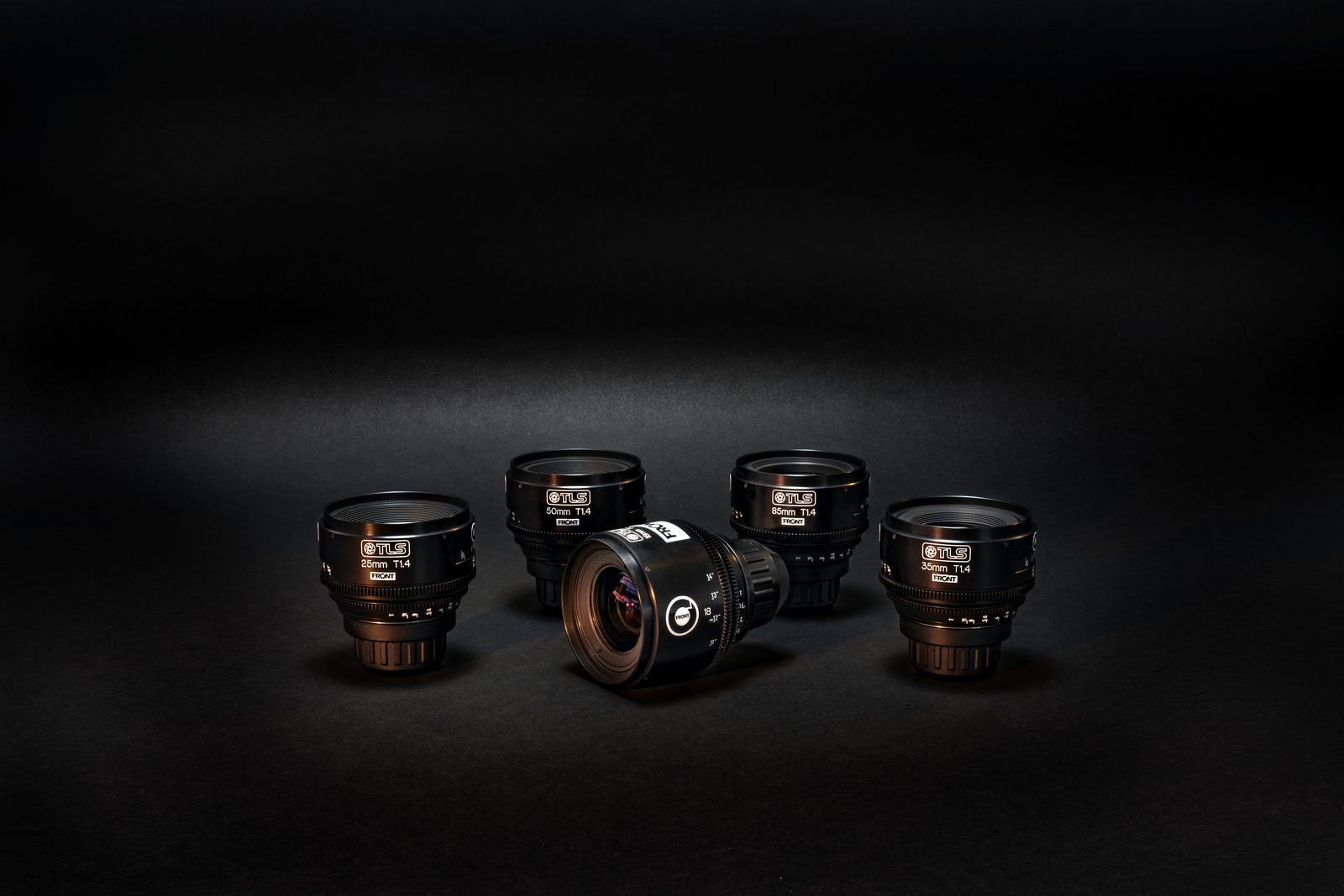
TLS Rehoused
5 primes 18 – 85mm T1.4 PL
The first-generation Zeiss Super Speeds (Mk I, mid-1970s).
The original high-speed cine lenses that started the legend. At T1.4 they deliver low contrast with a mild glow and flattering softness. The signature feature is the 9-blade “rounded triangle” iris: wide open, bokeh is round; by T2, highlights transform into distinctive triangular shapes. One of the most striking bokeh effects in cinema. Made with rare-earth glass no longer in production, contributing to their special rendering and slightly amber tone.
Character profile
Amber tone. Minimal breathing. Rare glass.
Five axes plotting how this set behaves wide-open vs a neutral modern reference. Larger area = more pronounced trait.
Focal lengths
| Focal | T-Stop | Close focus | Weight | Front Ø |
|---|---|---|---|---|
| 18mm | T1.4 | 11" | 1.5kg | 95mm |
| 25mm | T1.4 | 10" | 1.0kg | 95mm |
| 35mm | T1.4 | 14" | 1.0kg | 95mm |
| 50mm | T1.4 | 21" | 0.9kg | 95mm |
| 85mm | T1.4 | 3'0" | 1.1kg | 95mm |
Talking points
Signature triangular bokeh at T2: round at T1.4, artistic triangles when stopped down
Rare-earth glass no longer manufactured gives a unique amber tone and rendering
Surprisingly minimal focus breathing.
One of the technical strengths of B-Speeds
Used on Taxi Driver (1976).
A defining lens of 1970s American cinema
Technical
Shot on these
Taxi Driver (1976)
DOP Michael Chapman Dir Martin Scorsese
Credits reflect productions historically shot on this lens family. Specific units may vary.
Heritage
Origin
Developed by Zeiss in collaboration with ARRI in the 1970s, originally in ARRI Bayonet mount, hence “B” for Bayonet. The first generation of Zeiss Super Speeds, and the foundation for the optical formulas later carried into the Mk II and Mk III sets. Made with rare-earth glass no longer in production, contributing to the signature amber tone and rendering.
Filmography
Used on Taxi Driver (1976, DOP Michael Chapman) and across countless 1970s American features, a defining lens of the era’s visual language. The signature 9-blade “rounded triangle” iris produced one of the most striking bokeh effects in cinema, switching from round at T1.4 to artistic triangles by T2.
Build
TLS rehoused the B-Speeds in the late 2010s, even manufacturing a new 14mm T1.4 to broaden the set. The rehouse preserves the original optics, the rare-earth glass character, and the triangle-iris signature, adding modern PL housings, 0.8M gears, and durable matte-box fronts.
More to explore
Ancient Optics / Zero Optik
The “Greatest Hits” of Japanese Optics
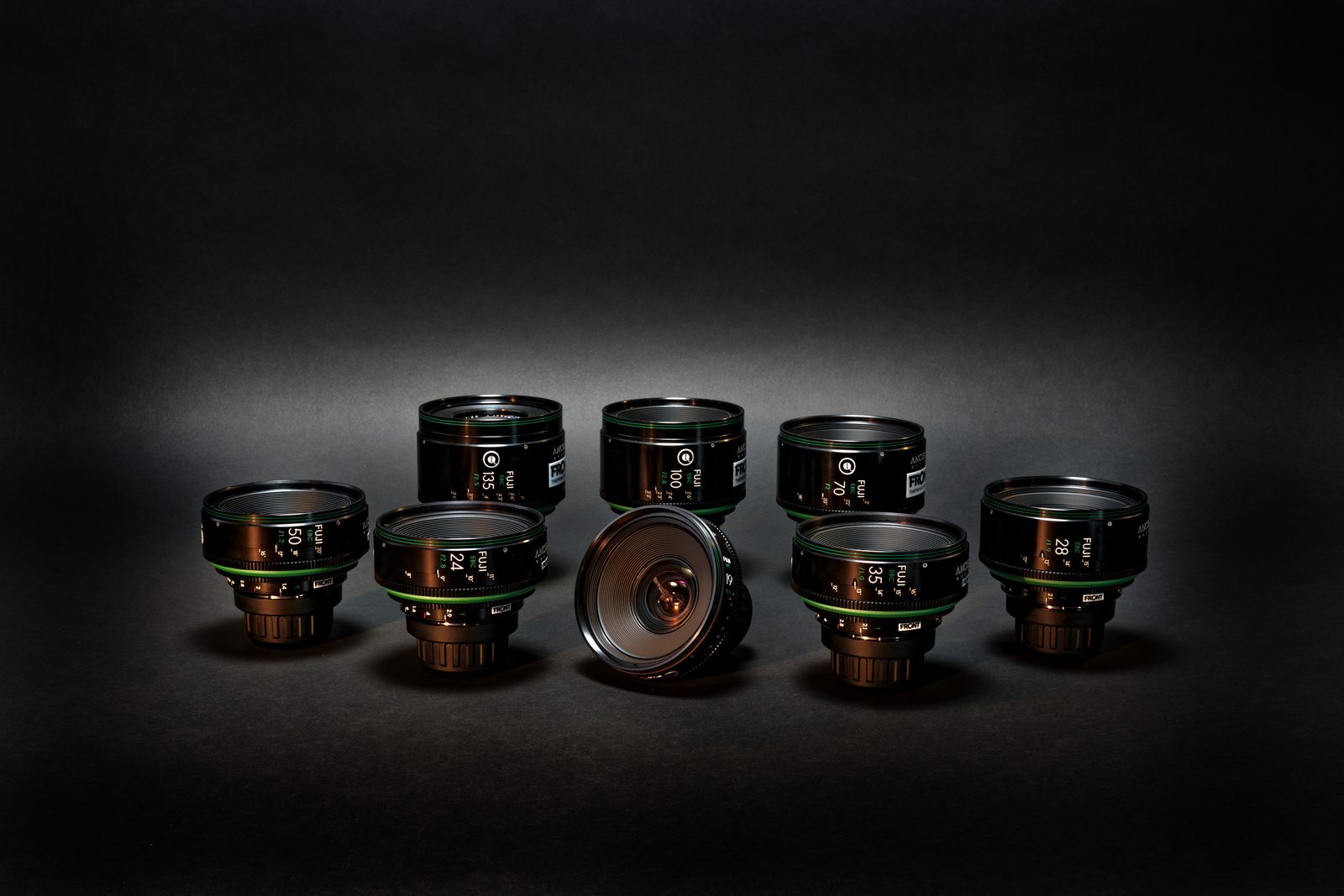
TLS Rehoused
A Treasure of Coating Technology
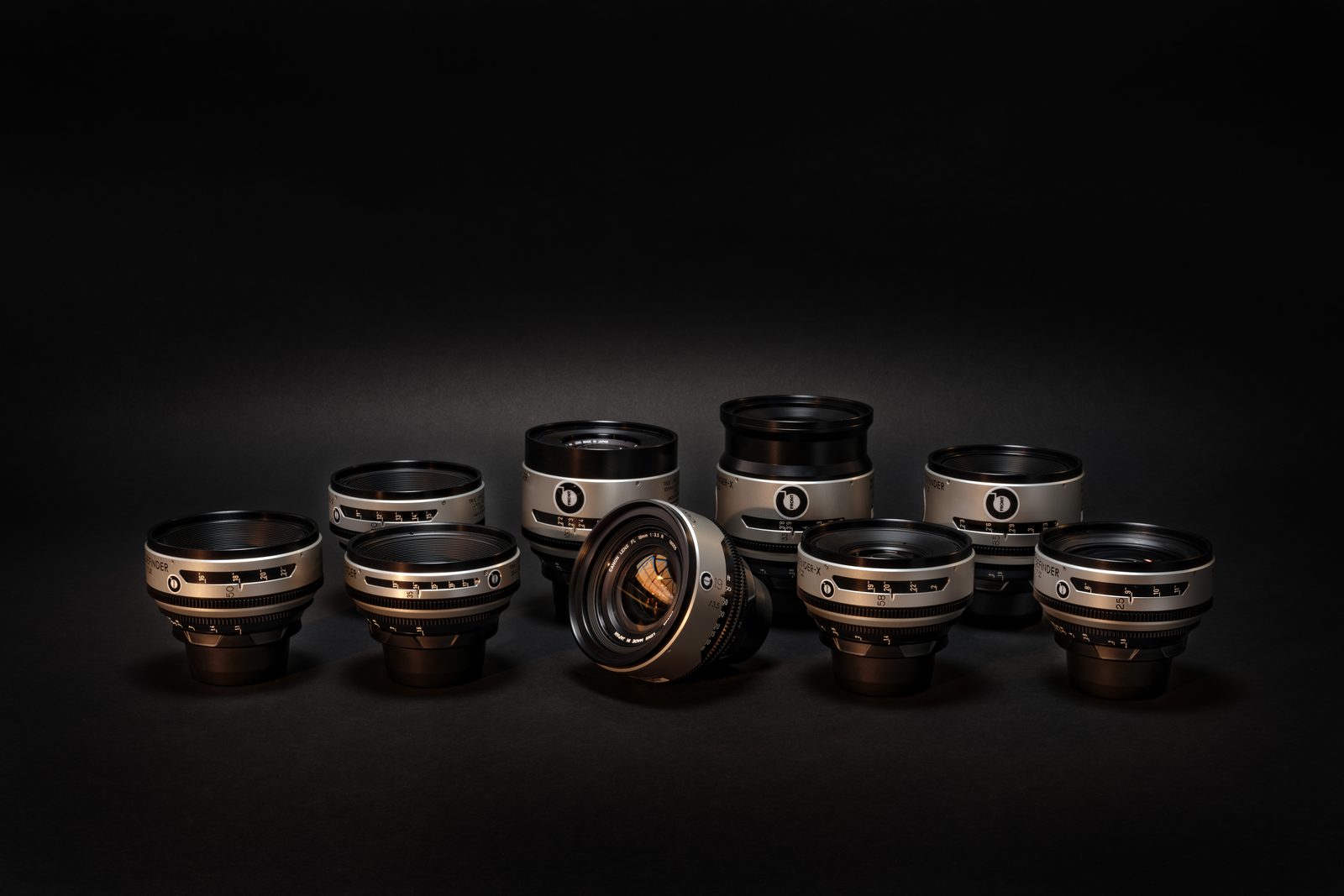
TLS Rehoused
The Dream Lens Legacy